
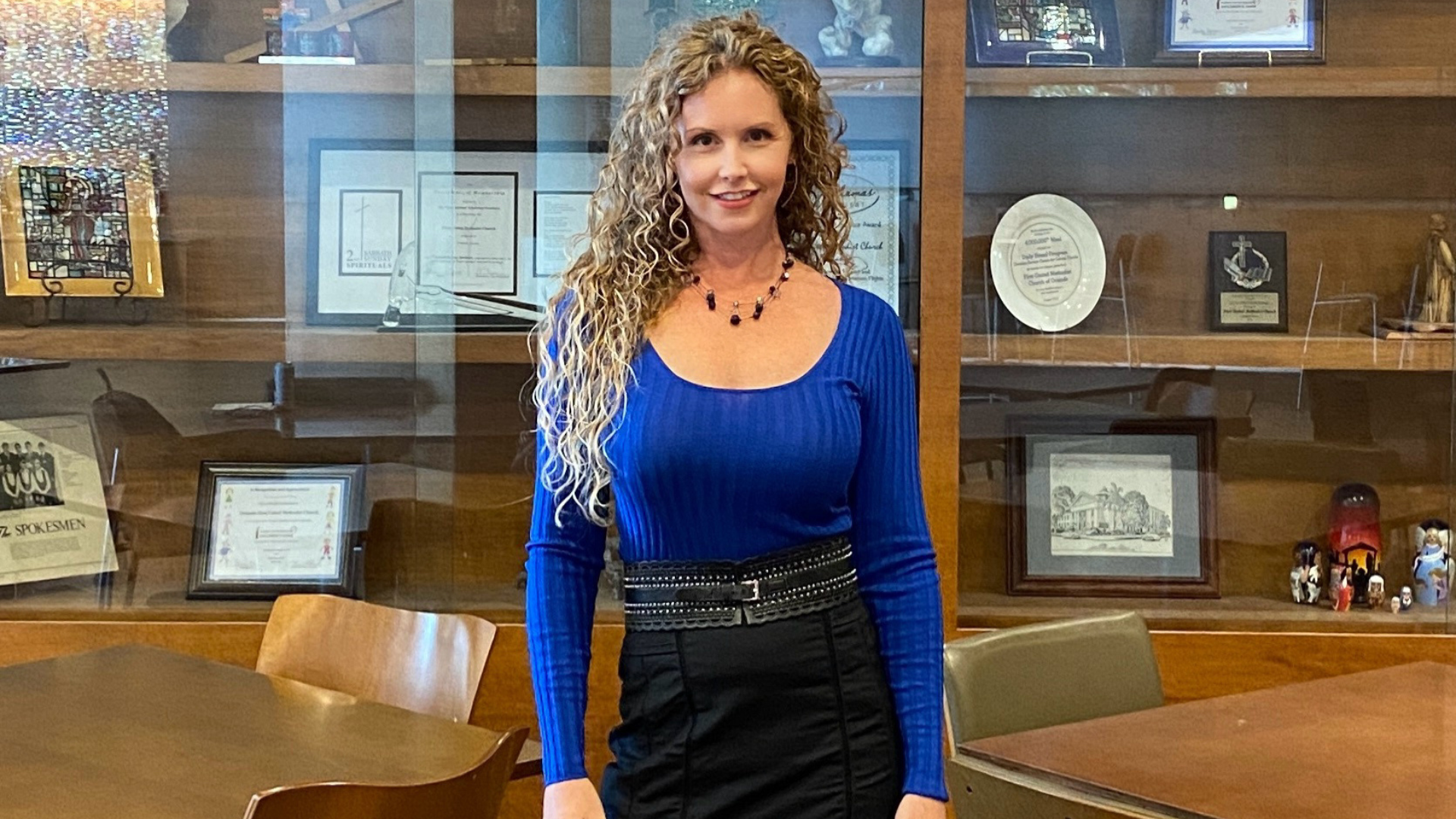
 Erin Marie, MBA, Neurobiologist · AMBITIOUS AF®
The Methodology
You Don't Have a
Discipline Problem.
You Have a
System Problem.
Every high-performing person reading this has started over. Not once. Multiple times. Same goals. Same commitment speech. Different Monday.
That pattern isn't a character flaw — it's a structural one. Motivation depletes under cognitive load. Willpower isn't a strategy. And no amount of wanting it harder closes the gap between who you are and who you said you'd become.
HYS installs the behavioral architecture your brain needed before it ever let you start. Grounded in cognitive and behavioral neuroscience. Built for operators who are done restarting.
This isn't coaching. It's a room with a standard, a correction protocol, and witnesses. The three things every solo attempt has been missing.
Start Your 14-Day Trial →YOU DON'T HAVE A DISCIPLINE PROBLEM. YOU HAVE A SYSTEM PROBLEM.
You've started over more times than you can count. New plan in January. New system in March. New 'this time it's different' in June. Every restart feels real in the moment — and every collapse feels like a personal failure.
It isn't. It's a neurobiological pattern. And it has a structure. Read the four sentences below and notice which ones you've said to yourself in the last thirty days. Nobody's watching. Be honest.
"I JUST NEED MORE DISCIPLINE."
Discipline isn't the input. Standard is. You can't be disciplined toward a target you haven't defined in behavioral terms. Every time you've 'tried harder,' you've been pushing willpower toward a moving target — which is why it always collapses. The fix isn't more effort. It's a non-negotiable line that exists whether you feel like it or not.
"I KNOW WHAT TO DO. I JUST DON'T DO IT."
That gap isn't laziness. It's the absence of a correction protocol. Knowing and executing run on different neural systems. One stores information. The other commits to action under cognitive load and pressure. If you don't have a built-in mechanism for what happens the moment you slip — what you do, in what order, within what window — every 'off day' becomes the start of an off week. The gap closes when the protocol is installed. Not before.
"I ALWAYS START STRONG AND FADE."
The fade isn't a character flaw. It's predictable cognitive load failure. Your starts are powered by novelty. Your sustains have no fuel source. What feels like fading is actually your brain returning to baseline because nothing was installed underneath the initial push. Cognitive endurance is built — not summoned. And it's built in a specific sequence, under repeated load, whether you have people watching or not.
"SOMETHING ALWAYS COMES UP."
This is the one we hear the most. Something will always come up. That's not the problem. The problem is that you don't have pre-planned execution pathways for when life shifts. So every disruption becomes a stop instead of an iteration back to baseline. Operators who hold their standards through chaos aren't more disciplined than you. They've installed multiple routes to the same target — and they switch routes without renegotiating the standard. That's behavioral flexibility. It's trainable. And it's exactly what you're missing right now.
If you read those four sentences and recognized yourself in one or more than one, you don't need another course, another vision board, or more positive affirmations.
You need a human performance coach that can teach you how to hold the line when you can't.
The Reality
Why The Other Guy Quits.
Why You Haven't Yet.
The coaching industry is a graveyard of abandoned commitments. Here's what the peer-reviewed data and industry research actually shows — and exactly how our HANDLE YOUR SHXT Program is engineered to end the pattern.
Traditional self-paced coaching sees only 10–15% completion rates. The other 85–90% quit — not because they lacked ambition, but because the program had no mechanism to hold them when life pushed back.
[1] Harvard Business Review (2023) — "Traditional online courses see 10–15% completion rates." Reported via EntrepreneursHQ Online Learning Statistics Report, 2025.HYS participants complete 14 consecutive days of Critical Tasks before they ever enter the room. The operators who earn their way in have already proven they won't quit on Day 10. The 85% filtered themselves out at the gate — not inside the program.
Research consistently shows most participants who quit do so in the first two weeks — before the program has had any meaningful impact. They weren't committed. They were interested. There's a difference.
[2] Bidaisee, S. — St. George's University. "Online courses explode, but 90% of enrollees drop out within two weeks." Atlanta Journal-Constitution.The 14-day Critical Tasks requirement is two weeks of consecutive execution — zero deviation, no exceptions. By the time your first session begins, you've already cleared the window where 90% fail. You didn't just say you'd start. You already started.
In published dropout research, life disruptions — work pressure, marital and family obligations, schedule chaos — are cited by the majority of participants as their primary reason for stopping. No protocol existed for when things shifted. Every disruption became a full stop.
[3] Katsanos et al. (2024) — "Identifying Factors Contributing to Dropouts in a Pilot Telenutrition Weight-Loss Program." NIH National Library of Medicine, PMC11671310. "50% cited work pressure; 60% cited marital responsibilities as dropout factors."Inside HYS, our Correction Protocol is installed within you before life disrupts — not improvised when it does. When something comes up, you don't negotiate the standard. You execute a different route back to the same line. Disruption becomes an iteration. Not an exit.
Motivation runs out. Willpower depletes under cognitive load. Most programs hand you a bunch of pre-recorded videos, take your credit card, and wish you luck. When no one is watching, the standard quietly erodes — and you don't notice until you've been off the line for a few weeks.
[4] Rahmani, A.M., Groot, W., Rahmani, H. (2024) — "Dropout in online higher education: a systematic literature review." Int'l Journal of Educational Technology in Higher Education, Vol. 21. Analysis of 110 peer-reviewed studies.HYS isn't a course you passively consume. It's a LIVE room where you report your execution — out loud, camera on, in front of your vetted peer group — every single week. You can't disappear quietly. You can't bring the bullshxt excuses. The room doesn't allow drift. That's the mechanism. And that's why our program continues to crank out results!
Sources
[1] Harvard Business Review (2023). Online learning completion rates. Reported via EntrepreneursHQ Online Learning Statistics Report. entrepreneurshq.com/online-learning-statistics
[2] Bidaisee, S. St. George's University. "Online courses explode, but 90% of enrollees drop out within two weeks." Atlanta Journal-Constitution.
[3] Katsanos et al. (2024). "Identifying Factors Contributing to Dropouts in a Pilot Telenutrition Weight-Loss Program." NIH National Library of Medicine — PMC11671310.
[4] Rahmani, A.M., Groot, W., Rahmani, H. (2024). "Dropout in online higher education: a systematic literature review." International Journal of Educational Technology in Higher Education, Vol. 21.
[5] Harvard Business Review (2023). Structured coaching vs. self-paced completion rates. Reported via matsh.co — Dropout Rates in Online Training Programs (2025).
THIS ISN'T THEORY.
IT'S WHAT HOLDS WHEN PEOPLE INSTALL THE STANDARD.
These aren't testimonials about 'feeling inspired.'' They're reports from operators who installed the standard and are still operating on it.
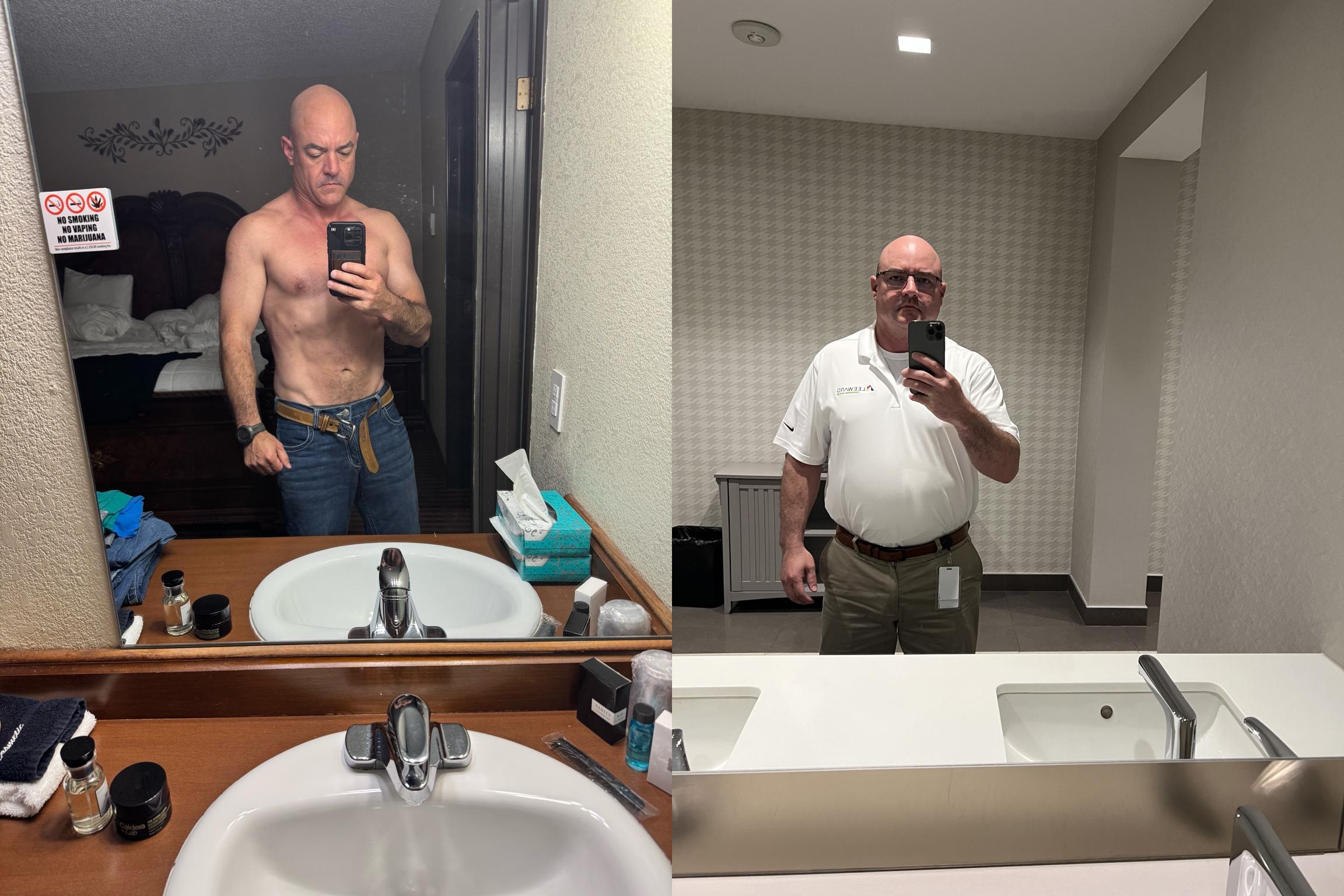
When I started Erin Marie's program I was 240 lbs and my direction in life was all over the place. I'm now down to 179 lbs of lean muscle with clarity on my purpose and goals I'm pursuing. My wife (of 22 years) has also started to implement some of the methods I've learned in group coaching and our marriage is more solid than ever. Since I've been with Erin Marie's group coaching program, I've started and exited one of my companies to private equity in less than 18 months, and now closing 9/10-figure deals across multiple continents. I feel like I have more control over my future and where I'm headed. Her methods work. I'm living proof.
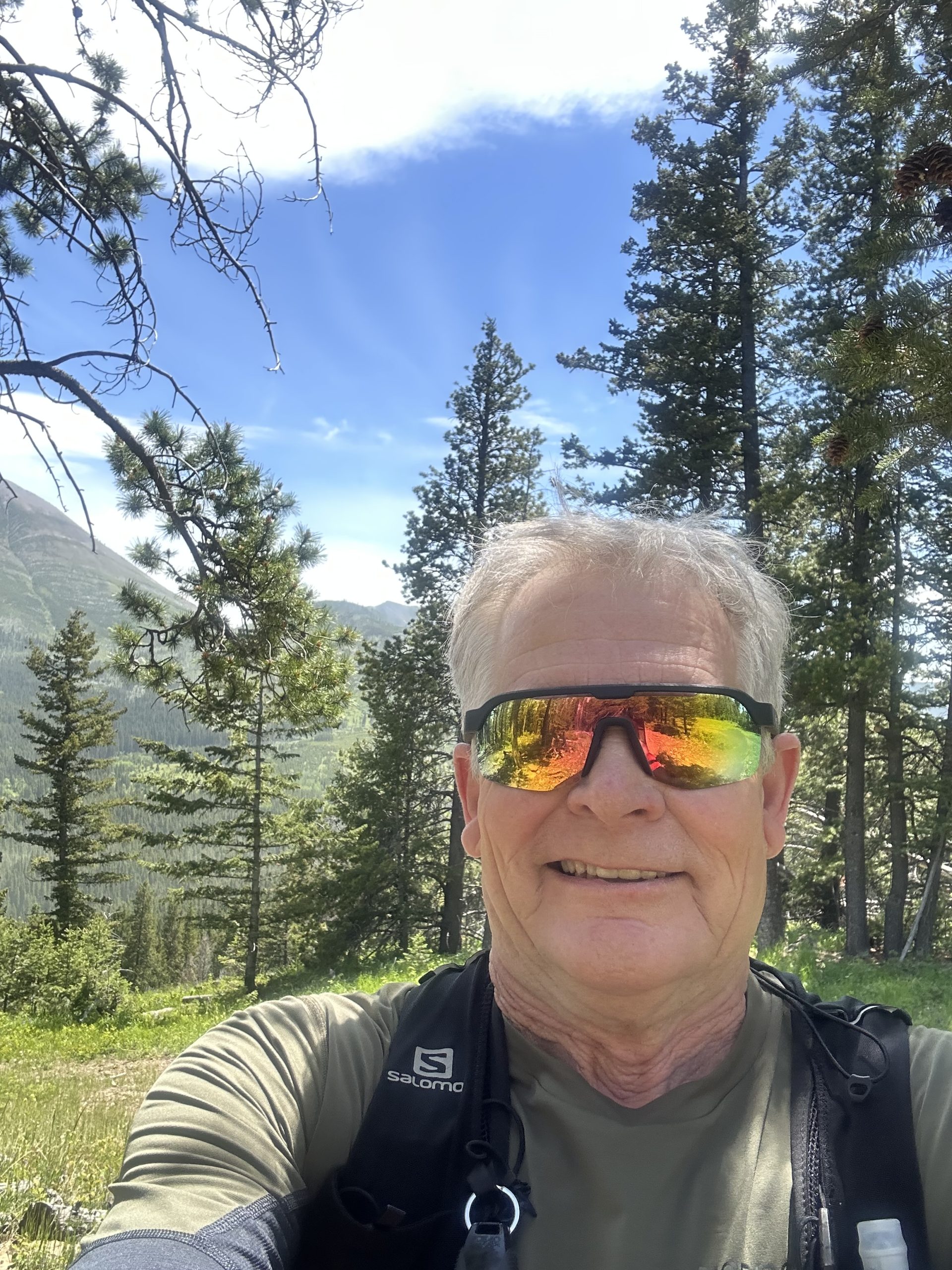
I am very fortunate to have found Ambitious AF. Since being part of her coaching program, I have started to train for my first 100-mile race; running is my passion. I have also decided to write my first book and tell the world my story. With Erin Marie's help, I understand how my mind works and have figured out how to make it all bend in my favor. Erin Marie has a knack of helping me feel accepted and a valued member of her coaching program. Simply said, Erin Marie is Amazing and the results of her coaching style leave me pushing myself further to realize my full potential and future possibilities.
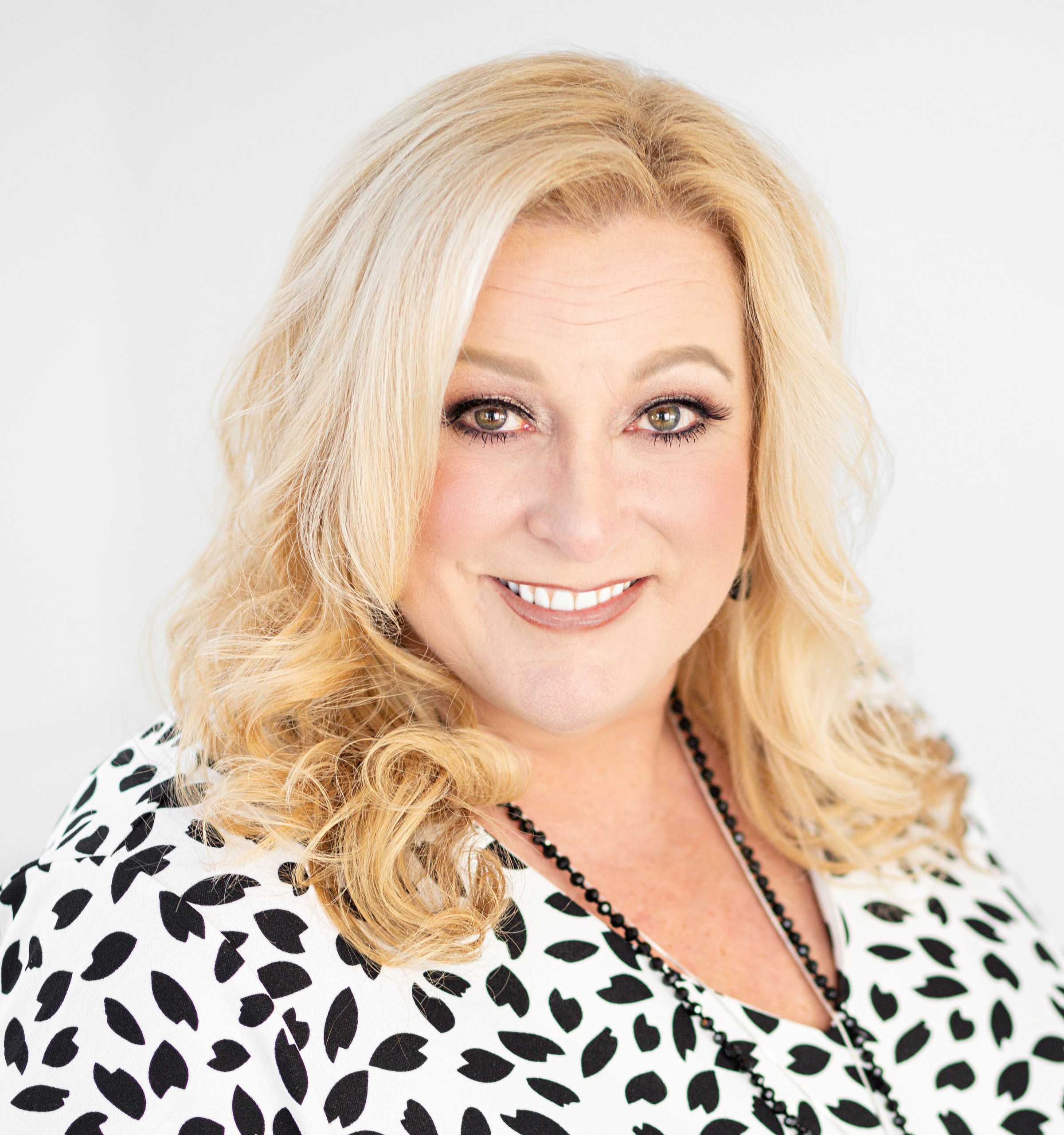
There I was... plug along, plug along, plug along, doing the work, absorbing the lessons, following the program not 100% sure how everything will work out then all of a sudden BAM!!! My life is different. I have clarity and purpose and a plan moving forward. Wasn't sure when it all clicked, but it did. Now, I've published my first book, dropped 65+ lbs of weight, and make more now as a keynote speaker than I ever have. Follow her program, trust the process, and your life WILL change. Erin Marie's program (and method) has made all the difference in my life!
This is what the room produces when you install the standard and don't negotiate it.
Apply to HYS Foundations →WE'RE NOT LOOKING FOR THOSE WHO WANT TO 'FINALLY TRY THEIR BEST.' WE'RE LOOKING FOR THOSE WHO ARE DONE TOLERATING THEIR OWN BULLSHXT.
The operator who belongs inside HYS Foundations is the one who has stopped asking whether they have what it takes — because they already know they do — and started asking why it isn't holding. They're not new to ambition. They're new to experiencing the perspective of what happens when you never give up on yourself.
They've already proven to themselves that motivation runs out, that 'trying harder' doesn't scale, and that the gap between who they say they are and how they actually operate is the single thing they're tired of explaining away. They don't need another vision board. They need a standard that holds, every single time.
WHAT THE PEOPLE IN THIS ROOM REFUSE
The people inside HYS are not the most credentialed, the most successful, or the most polished. They are the most willing — to be seen executing, to be seen correcting, and to be in a room that doesn't let them disappear when shxt gets hard.
That's the culture. If you recognize yourself in it, we invite you to become part of something bigger than yourself.
THIS IS THE ROOM YOU'VE BEEN OPERATING TOWARD.
The 12-week install builds the architecture. Week 13 forward is when you operate inside it — fully installed, fully credentialed, fully holding the line that qualified you for the room in the first place. The install is the qualifying mechanism. The room is what the install grants you access to. The room is the asset.
Most coaching programs end at the install and hand you the keys to drive solo. That's where the start-stop pattern restarts. Inside HYS, the install is the floor — not the ceiling. What operates on top of it is the room itself. The architecture qualifies you. The room is where the work compounds.
THE WORK STARTS WORKING.
What got installed in the first 12 weeks begins compounding in your body, your calendar, your output, your relationships, your bottom line. The standard stops costing you and starts producing for you. For most operators, this is the first time in their life that the work they put in has actually paid them back at scale — and the room is where that compounding accelerates.
THE ROOM IS WHAT YOU CANNOT BUILD ALONE.
Weekly witness. Vetted proximity. The refusal to let you drift quietly. These are the compound mechanisms — and they cannot be replicated by an app, a journal, a course, or solo discipline. What you build alone, you erode alone. The room is what makes the standard durable, and what makes durability scale.
THE STANDARD BECOMES WHO YOU ARE.
After you reach a level of unbreakable consistency, the line stops being something you do and becomes something you are. Your calendar reflects it. Your body reflects it. Your work reflects it. People in your life notice it before you do. By the time you've felt that shift, the room is no longer something you participate in — it's the ground you operate from.
FOR THE OPERATORS WHO HOLD THE LINE INSIDE HYS — THERE IS A HIGHER ROOM.
AMBITIOUS AF runs a top-tier group program for operators who have moved past the install and are ready for advanced cognition and mental toughness work at a different intensity. It is invitation-only. There is no application from the outside.
The pathway in is HYS. You don't apply your way up. You demonstrate your way up.
Learn how the work compounds. Operate where the room sharpens you. Discover why there is no other room like it — and become something bigger than yourself.
YOU DON'T BUY YOUR WAY IN. YOU GET VETTED IN.
The application is not a link you click to checkout with a credit card. The room we host is small, vetted, and protected on purpose. Before anyone is enrolled in HYS Foundations, they go through a structured discovery process built around Critical Tasks — the daily behavioral architecture that defines the AMBITIOUS AF lifestyle.
We don't enroll people who don't understand what they're walking into. And we don't put operators in a room with people who haven't been vetted to be there. The gate is the integrity of the room.
WHAT CRITICAL TASKS ACTUALLY ARE.
Critical Tasks are three to five non-negotiable behaviors — defined in observable terms — that you execute every single day, regardless of mood, schedule, location, or circumstance. They are not goals. They are not aspirations. They are the daily proof of who you are.
Two are locked across every operator inside HYS — nutrition discipline and physical training — because no standard holds for long without a body that can't hold it. The remaining one to three are built specifically for your life, your work, and the version of yourself you've decided to install.
Critical Tasks are the architecture of the AMBITIOUS AF lifestyle. The program is where they get sharpened.
THE VETTING PROCESS, IN FOUR STAGES.
Every applicant moves through the same sequence. There is no shortcut, no expedited path, and no way to skip the discovery call. The process exists for one reason — to determine whether HYS is the right room for you, and whether you are the right operator for the room.
APPLICATION SUBMITTED.
You complete the HYS Foundations application. Our team reviews it. The application is not a formality — it's read in full, and not every applicant moves to the next stage.
DISCOVERY CALL SCHEDULED.
If your application moves forward, you'll be invited to schedule a structured discovery call directly with our AAF team. The call is the gate. There is no enrollment without it.
CRITICAL TASKS ORIENTATION.
On the discovery call, we walk through what Critical Tasks are, why they exist, and exactly what living the AMBITIOUS AF lifestyle requires of you. This is not a sales call. This is the moment where you find out — in plain terms — what you'd be saying yes to.
Some applicants leave this call clearer that HYS is the right next move. Some leave clearer that it isn't yet. Both outcomes are correct.
14 CONSECUTIVE DAYS. NO EXCEPTIONS.
After your discovery call, you go execute your Critical Tasks for fourteen consecutive days. Every day. No misses. No partial credit. No "I did most of it." If you fail a single day — for any reason — you reset to Day 01 and start the count over. This is not a punishment. It's the proof.
This is exactly where most people fall short. They commit on Day 01 with full intention. By Day 10 something "comes up." They feel "tired." They tell themselves they'll just resume tomorrow. That's the start-stop pattern that brought them here in the first place — and it disqualifies them from the room until it doesn't.
The 14-day execution is self-reported. Your word is your bond. If you tell us you executed your Critical Tasks for fourteen consecutive days, we will believe you. You're an adult. We expect you to act like one. Lie to us, and you're lying to yourself first — and the room will surface it eventually anyway.
OFFICIAL INVITATION INTO THE ROOM.
Once you've completed fourteen consecutive days of Critical Tasks execution, you receive your official invitation into HYS Foundations. Enrollment opens. Your seat is held. You begin Phase One the following week.
By the time you walk into your first session, the room already knows something about you that most operators never demonstrate to themselves: that you can do what you said you would do, every day, for two weeks straight, with no one watching. That's the floor. Everything we build inside the room sits on top of it.
The vetting wall is not a sales tactic. It is the reason the room works.
Every operator inside HYS Foundations went through the same process you'll go through. That's how we keep the integrity of the standard intact for everyone in it.
WHAT THE ROOM REQUIRES OF YOU.
Once you're inside HYS Foundations, the room operates on a fixed standard — and you operate on it too. Not "when you can." Not "when life cooperates." Not "when you feel like it." The standard is the agreement. The agreement is the room.
Read what's required before you apply. Make the decision once. Then stop renegotiating it.
WHAT YOU AGREE TO WHEN YOU ENROLL.
CRITICAL TASKS, EXECUTED DAILY.
Three to five non-negotiable behaviors, defined in observable terms, executed every day. Not most days. Not when conditions allow. Every day. Tracked, reported, owned.
WEEKLY SESSION ATTENDANCE.
Live. Cameras on. On time. Prepared to report. Travel happens. Calendars shift. The session is the room — and the room moves only when you operate as part of it.
HONEST REPORTING. NO PERFORMANCE.
You bring evidence — what executed, what didn't, where the line weakened, what the correction is. Not the version that sounds good. The version that's true. The room operates on accuracy. Spin breaks the room.
REPETITION OF THE THREE PILLARS.
Core Principle. Disqualifying Behaviors. Closing Statement. Spoken aloud, every session, in your voice, in front of the room. The repetition is the installation. Skipping it is skipping the work.
CORRECTION ON THE SAME DAY.
When you slip — and you will — the correction protocol runs the same day. Not next week. Not after the storm. Slips don't compound into stops in this room. That discipline is what keeps the standard structural.
NO QUIET DRIFT.
No disappearing. No "I'll get back on track next week." If something is interfering with your standard, you bring it to the room while it's happening — not after. The room can hold what's named. It cannot hold what's hidden.
The standard is the agreement. Read it once. Decide once. Then operate.
Most operators read this list and feel relief — because they've been waiting their whole life for someone to draw the line and stop letting them off it.
FROM APPLICATION TO INSIDE THE ROOM.
The path is deliberate. There are no shortcuts. Each stage is designed to confirm — for both sides — that the room is the right next step.
APPLY
Submit the HYS Foundations application. Read in full. Not every applicant moves forward.
DISCOVERY CALL
Structured call. Critical Tasks orientation. Plain terms about what the lifestyle requires.
14 DAYS
Critical Tasks executed for fourteen consecutive days. Zero deviation. No exceptions.
INVITATION
Official invitation extended. Enrollment opens. Your seat is held.
INSIDE THE ROOM
Phase One begins the following Tuesday 7pm EST. The room is yours.
From submitted application to first session is roughly three to four weeks. Most of that time is yours.
How you use the 14-day stretch is the first piece of evidence the room sees about who you are.